

Description
Available Pack Sizes & Pricing
| Pack Size | Price | Unit Price |
|---|---|---|
| 30 Tablet/s | $6.89 | $0.23 / tablet |
| 60 Tablet/s | $13.09 | $0.22 / tablet |
| 90 Tablet/s BEST VALUE | $18.61 | $0.21 / tablet |
What is Clonidip 100 mcg Tablet
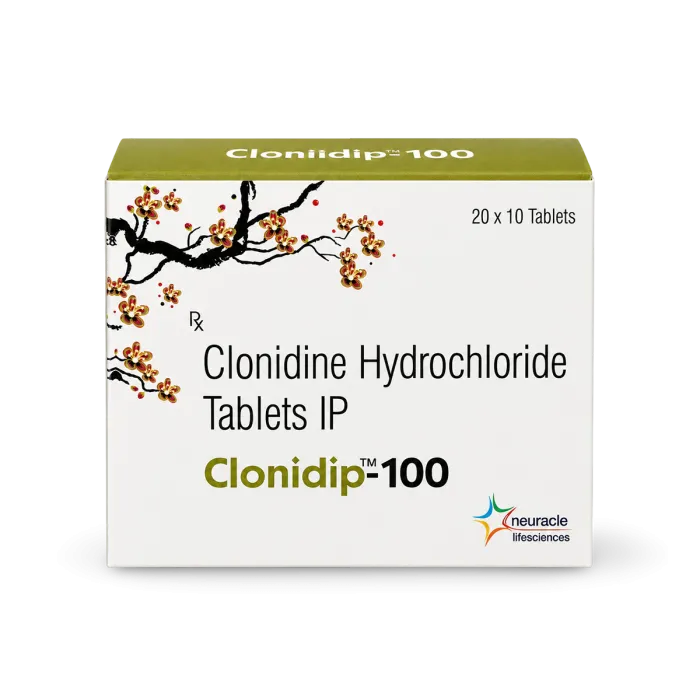
Clonidip 100 mcg Tablet is a prescription medicine primarily used to manage Hypertension or High Blood Pressure, as well as for Attention Deficit Hyperactivity Disorder (ADHD) in children above 6 years. It contains Clonidine Hydrochloride 100 mcg, an FDA-approved active ingredient belonging to the centrally acting Alpha-2 Adrenergic Agonist class. The product is manufactured by Neuracle Lifesciences in GMP-certified facilities.
Clonidine stimulates Alpha-2 receptors in the brain and reduces sympathetic nerve signals that increase heart rate and tighten blood vessels. This helps blood vessels relax, slows the heart rate, and lowers blood pressure. Doctors can prescribe it alone or with other antihypertensive medicines. Clonidine is also used off-label in selected patients for migraine prevention and menopausal hot flushes.
Take Clonidip exactly as prescribed. A common starting dosage for hypertension is 100 mcg twice daily, although the doctor can adjust the dose according to blood pressure readings, age, kidney function, and treatment response. It can be taken with or without food.
Take a missed dose when remembered, unless the next dose is close. Never take two doses together. An overdose can cause severe sleepiness, breathing difficulty, fainting, a very slow heartbeat, or dangerously low blood pressure and requires urgent medical care.
Dry mouth, sleepiness, dizziness, constipation, tiredness, and headache are common side effects of Clonidine. Seek help for fainting, breathing difficulty, severe confusion, chest pain, facial swelling, or an unusually slow heartbeat. Never stop Clonidip suddenly because this can cause dangerous rebound Hypertension.
Beta-blockers, Digoxin, Verapamil, Diltiazem, other blood pressure medicines, and tricyclic antidepressants require medical supervision when taken with Clonidip. These medicines can affect heart rate, blood pressure, or the action of Clonidine.
Store the tablets below 30°C in their original packaging. Protect them from sunlight, heat, and moisture, and keep them away from children and pets.
What are the benefits of taking Clonidip 100 mcg Tablet
Clonidip 100 mcg Tablet calms overactive nerve signals that affect blood pressure and other body functions. Its benefits depend on the condition for which a doctor prescribes it.
- Helps lower High Blood Pressure: Clonidip reduces overactive sympathetic nerve activity, helping bring elevated blood pressure under control.
- Supports blood vessel relaxation: It decreases signals that tighten blood vessels, allowing blood to circulate with less resistance.
- Reduces heart workload: A slower heart rate and lower vascular resistance mean the heart does not need to pump as forcefully.
- Supports ADHD management: Clonidine affects brain pathways involved in attention, impulsivity, and hyperactivity.
- Helps manage hot flushes and Migraines: Doctors can prescribe Clonidine off-label to reduce menopausal hot flushes or help prevent Migraines in selected patients.
- Provides additional pain control: In specialist-supervised cases, Clonidine can be combined with other treatments for neuropathic, chronic, or post-operative pain.
How quickly does Clonidip 100 mcg Tablet work
Clonidip 100 mcg Tablet typically begins lowering blood pressure within 30 to 60 minutes of consumption. It reaches peak effectiveness around 2 to 4 hours, and its effects can last for approximately 6 to 12 hours, depending on the prescribed dose and dosing schedule.
Food does not significantly affect Clonidine absorption. However, alcohol can increase dizziness, sleepiness, and Low Blood Pressure and should be avoided.
Individual responses can vary based on current blood pressure, dosage, kidney function, age, other medications, and treatment consistency.
Consult a healthcare professional for personalized guidance on timing.
Clonidip 100 mcg Tablet: Generic Clonidine vs Catapres
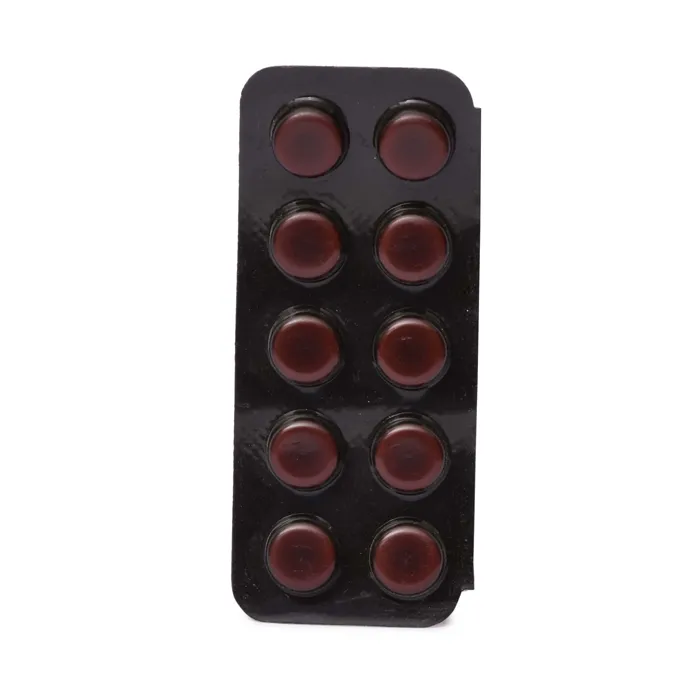
Clonidip 100 mcg Tablet and Catapres contain the same strength of Clonidine Hydrochloride and share the same intended mechanism for lowering blood pressure. Catapres is the original FDA-approved brand, while Clonidip is marketed as a cost-effective Clonidine product by Neuracle Lifesciences.
The major difference comes with the price. Catapres can cost around $3 per pill in a 100-pill supply, whereas Clonidip costs $0.20 per pill in a 90-pill supply. Other differences include manufacturer, price, packaging, tablet appearance and inactive ingredients. These differences do not alter Clonidine’s intended mechanism.
How to take Clonidip 100 mcg Tablet
Clonidip 100 mcg Tablet should be taken only as prescribed by your doctor. General guidelines on its intake are:
- Follow the recommended dosage and timing carefully to maintain steady blood pressure control.
- Swallow the tablet whole with water. It can be taken before or after food.
- Take each dose at the same time daily and keep the doses evenly spaced according to the prescribed schedule.
- Monitor your blood pressure regularly and do not increase, reduce, or stop the dosage without medical guidance.
Strengths and Substitutes
Currently, only 100 mcg of Clonidip Tablet is available at Everyday Generic. However, there are other substitutes available that can provide the same effectiveness for your medical needs. Always consult a doctor before switching between medicines.
| Clonidic 100 mcg | $1.00/10 pills |
| Arkamin 100 mcg | $4.20/10 pills |
What are the side effects of Clonidip 100 mcg Tablet
Some people can experience mild side effects when starting Clonidip 100 mcg Tablet. These effects often become less noticeable as the body adjusts to Clonidine.
Common side effects are:
- Dry mouth
- Sleepiness
- Dizziness
- Constipation
- Tiredness
Consult your doctor if these effects continue, worsen, or interfere with everyday activities.
Safety Advice
 Liver Disease
People with liver disease should take Clonidip 100 mcg Tablet under medical supervision. Part of the absorbed Clonidine dose is processed by the liver, so reduced liver function can affect medicine tolerance. The doctor can monitor blood pressure, heart rate, dizziness, and sleepiness and adjust treatment when required.
 Kidney Impairment
Clonidine is partly removed unchanged through the kidneys. Kidney impairment can slow its clearance and prolong its effects, increasing the risk of Low Blood Pressure, dizziness, sleepiness, and a slow heartbeat. People with reduced kidney function should consult a doctor before use.
 Pregnant and Breastfeeding women
Pregnant women should use Clonidip 100 mcg Tablet only when a doctor determines that it is clearly needed. Clonidine crosses the placenta, and adequate controlled pregnancy studies are limited. It also passes into breast milk, so breastfeeding women should consult a doctor before treatment.
 Avoid
Avoid
Avoid Clonidip if you are allergic to Clonidine or any tablet ingredient. Do not stop it suddenly because abrupt withdrawal can cause severe rebound Hypertension. Avoid alcohol, sleeping pills, opioids, and other sedatives unless medically approved, as they can increase drowsiness. Do not drive or operate machinery if Clonidip causes dizziness, blurred vision, or sleepiness.
Frequently Asked Questions
What happens if I miss a dose of Clonidip 100 mcg Tablet?
If you miss a dose, take the pill as soon as you remember. However, skip it if the next scheduled dose is approaching and continue with the usual routine. Never take two doses together. Missing repeated doses can cause a sudden increase in blood pressure.
Should Clonidip 100 mcg Tablet be taken before or after food?
Clonidip 100 mcg Tablet can be taken before or after food because meals do not significantly affect Clonidine absorption. Swallow it with water and take each dose at the same time daily. Follow the exact schedule advised by your doctor.
Does Clonidip 100 mcg Tablet interact with other blood pressure medicines?
Yes, Clonidip can be prescribed with other blood pressure medicines, but the combination needs monitoring. Beta-blockers, Verapamil, Diltiazem, and Digoxin can increase the risk of a slow heartbeat, while other antihypertensives can cause an excessive blood pressure reduction.
How long does Clonidip 100 mcg Tablet take to lower blood pressure?
Clonidip usually starts lowering blood pressure within 30 to 60 minutes. The strongest reduction generally occurs after 2 to 4 hours. Regular dosing and gradual adjustment can be required to achieve consistent blood pressure control.
How should Clonidip 100 mcg Tablet be stored?
Store Clonidip below 30°C in a cool and dry place. Keep the tablets in their original packaging or a tightly closed container, protected from direct sunlight, excessive heat, and moisture. Keep the medicine away from children and pets.
Who should avoid taking Clonidip 100 mcg Tablet?
People with a serious allergy to Clonidine should avoid this medicine. Those with a very slow heartbeat, heart conduction disorder, Low Blood Pressure, Kidney Disease, depression, or a history of stroke should consult a doctor before taking it.
Is it safe to stop taking Clonidip 100 mcg Tablet suddenly?
No, Clonidip should never be stopped suddenly. Abrupt discontinuation can cause rebound Hypertension, nervousness, headache, agitation, tremors, nausea, or heart palpitations. Your doctor should reduce the dosage gradually over several days to prevent withdrawal symptoms.
Reviews
There are no reviews yet